Health Care in the United States

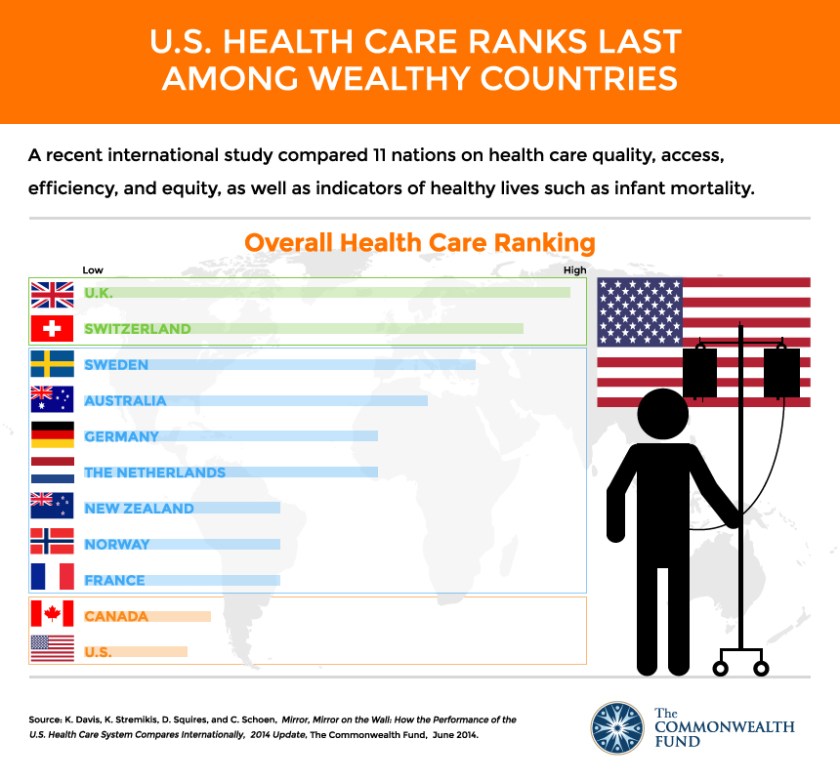
Health care in the united states is a very important topic, one that is in headlines all the time. Everyone talks about the high cost, the lack of accessibility and poor quality. Trying to figure out how to draft health care coverage is a very difficult task. I think the easiest answer would be to say to research and figure out what works for other countries and implement them in our country. Health care in the United States is not at the top of the best in the world, it is actually very low although we are the country that spends the most money on health care.

For example, countries like France and Canada have free health care, they don’t pay at all for any visits or having health coverage, they just go to get care without having to worry about paying. This is an idea that has been trying to make its way into the United States but it never makes it through because some people disagree that it would benefit them or have other issues with it.

I think it is extremely difficult to say who can and cannot be covered, I would say that for me everyone would be covered but that’s a very hard point to reach, so I would have to say the ones that are in need of care the most. I also think that things that I would include in this coverage are those that are either life and death, or things that could lead to that. Also cover medicine, surgeries, care or whatever else that affects a person in their daily lives. The only thing I wouldn’t cover would be things that aren’t actually needed but are being wanted by the patient because they aren’t as necessary. Funding it is another difficult thing to figure out, but I would have to say through taxes like other countries do, if it greatly would benefit us, I think this way would be the best. In a documentary I saw called Sicko, they interviewed a lady about how high taxes affected her in her daily life, she said it didn’t at all, she didn’t have to worry about her health and health care cost, her money was going to the house she lived in, and groceries and didn’t really struggle in her everyday life because of taxes but rather was a relief to not worry about her care.

I think obviously the way that we have been going on about health care in the U.S. is not the best way, we need to change the way it is set up to make sure everyone is being care of properly.  
http://watchdocumentaries.com/sicko/

Artificial Intelligence in Health Care

Artificial Intelligence or AI is a popular and very talked about topic during this time, it will greatly impact health care and the way we get care. Unlike humans AI detects much more than humans can as well as being correct. Although very useful, there could be some problems with using Al. For instance, it could lead to a doctor’s dependency on AI, without it they couldn’t do much or give good diagnosis and patients can be hurt by this. Another issue could be that there could be an issue with AI as in it glitching or something of that sort, I’m not sure if it could accidentally give someone the wrong prognosis or something along those lines but if possible, that could be potentially dangerous. I think though like Bernard Marr said in the clip, AI needs to be used alongside doctors, as a team and working together trying to figure out what is best for the patient.

AI couldn’t see race, gender, class or ability and just focus on the data that is being given, there would be no bias as there is with doctors. No woman would die because of a heart attack because doctors just think women are having anxiety. Minorities wouldn’t be ignored when they go to the doctors with problems because AI could see there is an issue without noticing their race. AI could provide positive health outcomes for those that as of now might be sometimes ignored by some providers.

I believe we should use AI in health care, the positive outcomes I feel like outweigh the negative. Better care can be provided to everyone by using artificial intelligence. I read a book recently called, Complications: A Surgeon’s Notes on an Imperfect Science by Atul Gawande, in one of the chapters, he describes a study that was done in Sweden on artificial intelligence. The study was on EKG reading heart attacks, they were trying to figure out if a human or machine was better at figuring out if the person had a heart attack. The cardiologist that this was tested on had read ten thousand EKGs a year, they gathered two thousand two hundred and forty EKGs, half of them, eleven hundred and twenty showed heart attacks. When tested the result were that the cardiologist picked up six hundred and twenty, while the computer picked up seven hundred and thirty-eight, the machine beat the man by 20 percent. These result show how AI beats men in being able to pick up on stuff doctors might miss, although not perfect, it increases the percentage of people being treated correctly according to what their test result showed.

Gawande, Atul. Complications: a Surgeons Notes on an Imperfect Science. Picador, 2003.

Patient and Doctor Attitudes

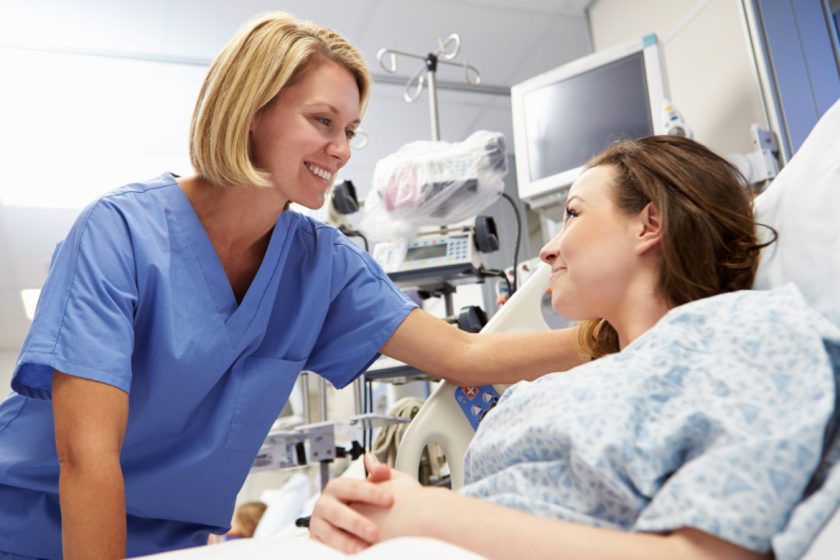
Young Female Patient Talking To Nurse In Emergency Room

Last week’s article reading, Good Patients and Problem Patients: Conformity and Deviance in a General Hospital, by Judith Lorber, really caught my attention. I am sure many of us have heard stories from friends or family on the way doctors treat them, such as how nice they are, f they pay attention to them, how long they spend with them and how well they’re being treated. We don’t really see the other side, if we have opinions on doctors, they must have them as well and this article highlights that.

When I read that doctors preferred technique of treating a patient was treatment as a non-person that baffled me, after all no matter what the patient is an actual person. I understand that doctors are busy, they have many patients but for many people going to the doctor is scary, many don’t know what is happening to them and they have many questions, the least they want is a doctor treating them like an object and ignoring them. Yet many doctors label these patients as problem patients, the ones that ask too many questions, complained, demanded, and were uncooperative. Some of these reasons I might understand as not being the best such as demanding and not cooperating but complaining and asking questions to me seems like a person needs to do at the hospital. It said in the article that sometimes doctors don’t explain everything toughly because they don’t want the patient to know too much and as a lot of questions. This is questionable, if I was at the hospital, I would like to know what is happening to me. Those patients that received more attention were less likely than complain than the patients that were ignored. This of course also makes sense since they are there to be treated and understood not ignored.

This article made me think a lot about the different viewpoint in the hospital between doctors and patients. I think being at the doctors shouldn’t just be about treating the body sickness but also be able to fully understand what is happening and being able to communicate clearly with your doctor about any concerns without the doctor labeling the patient as problematic. When you read the article, what stood out the most to you?

In Sickness and in Wealth

In the series Unnatural Causes, the episode In Sickness and in Wealth takes place in Louisville, Kentucky. The episode begins by saying how America has a lot of wealth and health care, but our overall wealth is ranked very low from other countries. Many people are sick, infant mortality is high and health care availability is not 100% to blame. The determinants of health come from economic status, income, education and social determinant of health. In some areas of the state that are close to each other there are some that are dying 5 to 10 years earlier than others, and the map showed, how in different sicknesses, this could be seen as well in other maps, the patterns are the same for cancer and hearth disease.

This episode reflects on three different people from different economic status. The first is Jim Taylor, a father, grandfather and C.E.O., he lives in district 16. He states that he is almost 60 and is pretty healthy, he still keeps active and has a very high income. He live in a safe neighborhood where he can exercise and live calm.

Tondra Young lives in district 24, she is 37, and a lab supervisor. She is financially comfortable, she was better than her mom and goes to school. In comparison to Jim’s district, of an average age of 79.3 years, Tondra’s is 75.3 years, four years less.

Corey Anderson lives in council district 21, with his wife and children. Both Corey and his wife work full time and have an income of $48,000. Corey being 37 years old, has already been diagnosed with hyper tension and about 1/3 of the resident of this district are the same. In this neighborhood, life expectancy is 73.4 years, two years less than in Tondra’s and six years than Jim’s. In this area there are a lot of fat food places, small businesses, liquor stores. The show says that these differences are not natural but rather man made from policies or lack of policies. There are many things lacking in this area that other districts have that help them have better health and a higher average age.

Every time I watch this it still amazes me, how it one small area people’s health is so different, and they come from differences that are hard to change. As we have seen in class, income, education really effect each individual’s health in a big way. Each example that they show in this video shows how some small changes have a huge impact on the health of certain people. Have you noticed these changes in your own cities?

https://csueastbay.kanopy.com/video/sickness-and-wealth

Stress and Health

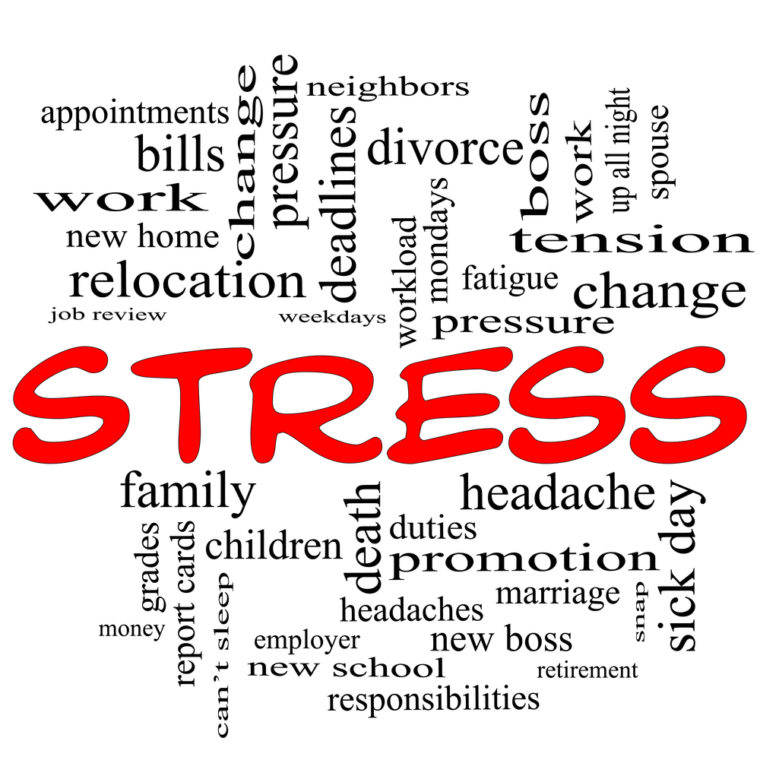
Last weeks articles on stress seemed very interesting and really captivated my attention. The first article titled, Social Stress: Theory and research is trying to differentiate stress consequences from social organization rather than stress from psychological disorders. The second article titled, Stress, Health, and the Life Course: Some Conceptual Perspectives, is about how status and status attainment affect the least privileged by exposing them to more health-related stressors.

Chronic stressors come about more through everyday tasks than in extreme, and crazy, one in a million events. I thought that this fact from the first article was intriguing. We do so many things in our day that contribute to our stress levels and as time passes it affects our health in a great way. For instance, resource deprivation, goal-striving stress, excessive environmental demand, frustration of role expectations are all examples of things that happen in our jobs, family life and school. The people that sufferer the most are women, young people and those in low socioeconomic status in role strains. Racial differences also bring forward issues in psychological distress at low socioeconomic levels, poverty is more damaging to blacks than whites (Aneshensel, 1992).

I remember watching a video called, Unnatural Causes: When the Bough Breaks, and it talked about black women and how stress put on them by racial discrimination affected the health of their baby. They talked about how it wasn’t even about economic status because they talked about a lawyer and how she lived in a good neighborhood, ate good food, exercised but still had her baby premature. They said this resulted from stress related from discrimination, all that stress accumulated in the body and the unequal treatment releases stress hormones that in the long run really harm the body. This also correlates to the second article that says that there is a cumulative effect put on the allostatic load that functions in responding to hardships and demand.

To me these articles showed how the problem of stress and its effects on our health come from deep within our society. Not only the big life events like death hurt us but also stress from work, from not having enough money, and from discrimination. I think changing these stressors to benefit us would be very difficult because of the way society is set up, work is all about time efficiency and moving fast, life now is so fast paced that we don’t have time to unwind and destress. One thing that the articles did say help was social support, from family or friends. I think with this in mind, we should look out for each other and help by being supportive to one another.

Sociological Themes in Media

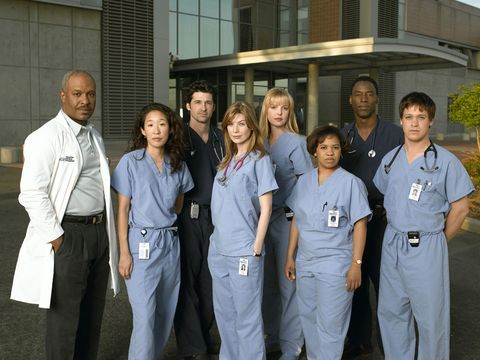
Grey’s Anatomy is a great show to watch that has many sociological themes. I recently started to watch it and I am already on season two. This prompt reminded me of an episode in season 2, episode 5 called “Bring the Pain”. In this episode there are three different cases that they work on that show the actions and interactions of healthcare professionals.

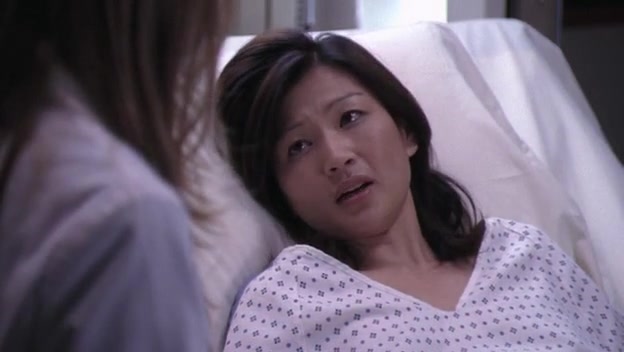
The first case that shows an interaction between patients and doctors is on a patient called Anna Chue. She came in with back pain after her legs started to go numb and after her tests, it showed to be from a spinal tumor. Her parents came in and the doctors, Derek Shepherd and Meredith Grey, told them that she was going to need surgery to remove the tumor. After hearing that, her father said she was not going to have the surgery and instead go home, and Anna agreed with her father, although the consequences of not getting the surgery would be that she would be paralyzed within 24 hours. When Meredith talked to Anna to try to get her to agree to the surgery, she told her that she was Hmong and since her father was an elder, she had to agree to what her father said. Her father did not want her to get the surgery because he believed her sickness to be caused by one of her souls being missing and before surgery she had to have a Shaman healing ritual. In the end the doctors helped them by flying in their Shaman by helicopter to treat Anna. After the ritual, they took Anna in for surgery where they took out the tumor.

We can see how the doctors reacted in a good way, trying to understand their patients more and meet their needs to be able to care for them. Many doctors do not understand peoples cultural beliefs and don’t treat them as well as they could because of this.

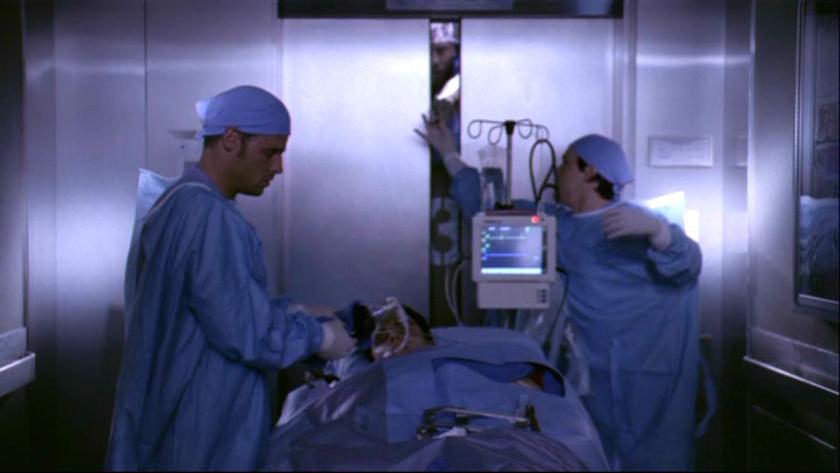
Another example is when George and Alex get stuck in the elevator during a power outage in Seattle Grace with a wounded police officer. As time passed the patient kept getting worse, and one of the doctors, Preston Burke, told them that they needed to perform the surgery in the elevator in order to save his life. Alex froze and wasn’t able to do it so George stepped in, although he had never performed open heart surgery by himself before. Dr. Burke guided him through the surgery until it was complete and the firefighters got them out of the elevator.

This also shows how these doctors do anything and everything int heir power to keep their patients alive and well. Although the intern, George, didn’t know how to do an open heart surgery, with the help of his superior doctor, he was able to stabilize the police officer and keep him alive in a difficult time.

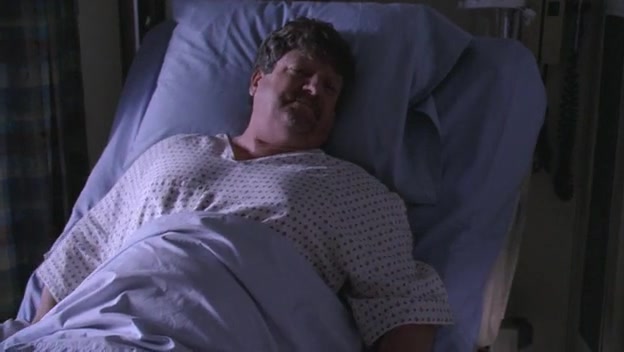
The last example is of a patient with pain that the doctor, Derek Shepherd, prescribed him to watch adult films in order to relieve his pain. In the beginning Cristina was horrified by this patient and how he watched it in the hospital but he told him it was prescribed by the doctor. This caused Cristina to believe his pain was fake and didn’t treat him as well as she should of been. Because of the power outage, he couldn’t continue to watch and his pain came back, this is when Cristina realized that his pain was actually real and what he was watching was actually helping him with his pain. This led her to improvise in a clever way and use her story telling skills to relieve his pain until the power came back.

This example is important because being in pain is hard for doctors to understand sometimes since they cannot see it. Doctors might believe the patient or not, like in this case. There is a very fine line between not believing them and hurting the patient because lack of quick care can lead to worse outcomes. This part of the episode was kind of funny because of the type of person and doctor Cristina is but it shows she really cares for her patients and does even what she doesn’t feel comfortable doing for the sake of her patients.

These three examples show how unique each interaction with patients and doctors are and how prepared they must really be in any occasion. It shows how sometimes doctors might not be right or flawed since they are still people and can make mistakes. Personally I find that Grey’s Anatomy is really interesting in the different cases that they look at in the show. Have you ever seen an episode of Grey’s Anatomy? What did you think of it?

Gender and Racial Bias, and LGBT Health

These articles were about gender bias, racial bias and failing LGBT patients, to me these topics aren’t shocking or heard of in a medical setting. I guess if anything it amazes me that still to this day doctors or health care professionals aren’t being truly professional while treating their patients. I can’t wrap my head around how being female, a none white race or being part of the LGBT community impacts what type of care you will get. Everyone is human and we all get the same diseases and sicknesses, which means we should all be treated the same way in a medical center, but we still don’t.

We have seen throughout the semester the way doctors treat their patients. I believe around week two or three in one of our lectures Professor Sanchez talked about how the stereotypes around being a woman influenced the way her doctors treated her. This is exactly what the articles were about, a patient’s gender, race or sexual orientation impact the way their doctors will treat them. For instance, women are thought to be winy and cry about minor pain so their doctors don’t pay as much attention to what they’re feeling and just prescribe something easy even though it might not actually help with the real issue at hand. According to patients’ gender, doctors act different as well, they don’t pay as much attention to the patient or see their case as important. As the article on LGBT patients talked about, doctors aren’t doing their full medical routine as always, they don’t ask about their sex lives or treat them like other patients.

I think a very important part of stopping these biases are through education, it needs to be taught in medical school that this is in fact occurring and it shouldn’t be. If people are aware maybe they will be paying attention to their actions closer and react differently as doctors. I like that the third article said there are ways in which doctors or professionals can partake in education and training on LGBT health, this is a step in the right direction to treat all patients the same.   Also, although hard to do, as patients, if we notice anything like this happening, we need to speak up for ourselves, if doctors aren’t treating us the same, we need to speak up and maybe that will also change something.

https://www.today.com/health/gender-bias-health-care-may-be-harming-women-s-health-t133583

https://health.usnews.com/health-news/patient-advice/articles/2016-02-11/racial-bias-in-medicine-leads-to-worse-care-for-minorities

https://psmag.com/news/american-doctors-are-failing-their-lgbt-patients

Television Illnesses and Diseases

On season 7 episode 3 of Grey’s Anatomy, there is a patient that comes in with the condition HPV or “Tree Man” disease. Human papillomavirus infection, or HPV is a common sexually transmitted infection, this infection causes warts in various parts of the body. There are over 100 strains of HPV but those that get epidermodysplasia verruciformiswart have a genetic mutation that limits the immune system’s ability to handle HPV, if this happens, the virus can spread and take over creating tree-like growths.

In the beginning of the episode the patient’s wife is fighting with him to come out of the car but he refuses. The doctors and nurses come and tell her that they are parked in an area only for patients and she tells them that her husband is a patient if only he came out of the car. The doctor then asks him to come out and he says he doesn’t want to because they won’t be able to help him. He is wearing a hoodie and his face cannot be seen this whole time until the doctor asks him again to come out and he shows his face full of warts and asks her if she can actually help him out. Everyone that’s there then has a surprised face, but he comes out and then when they see his tree like hands one of the nurse’s yells surprised and disgusted. He then acts annoyed and says aren’t people nice and that’s why he stays in his house.

During the episode they don’t really explain how it comes about but they explain what happens to the body and how there is no cure, but they can treat him. Overall the way that he looks like in the show is exactly like in real life so that part is correct. Now I’m not a doctor or nurse so I can’t really say how they react when they see rare or difficult things to look at but I’d like to think they don’t make their patients feel bad. I think though the way they show how the doctor reacts versus the one working towards their residency is used to show the difference between how doctors are supposed to act and how everyone else does. Throughout the whole episode the doctors are very professional and don’t act disgusted even when operating on him. The ones working on residency though are disgusted to be working on him, they all are making faces and don’t want to be there at all. The doctor tells them they need to be used to whatever the human body throws at them if they want to be doctors, and in that moment a spider crawls out of the hand she is operating from and she gets up and freaks out until they kill it for her. I think they do this in the show to show that although the doctor isn’t disgusted about working on the patient, she is scared of more simpler things like a spider.

The way they portrayed the patient and his wife was very interesting and believable. He didn’t want to get out of his house because of this disease and hadn’t been out for four years. His wife stayed home with him as well and she is the one that pushed him to get the surgery because she said it was difficult to be with him, she wanted to go out with him and do normal stuff but they couldn’t because of his appearance. She tells him that if he doesn’t get the surgery she will leave him.

At the end of the episode they tell the wife that they’re going to have to keep operating on him and that they haven’t been able to find normal skin on him so he was going to have a lot of open wounds and that they were going to probably wait a couple months or years until he was better. She then said she didn’t know if she was going to be able to wait that long because he was never gonna look normal, as her husband stated before, he was gonna look like “Frankenstein”. I think this part has some truth in it but also might just also be to make the problems and issues the other doctor was going through throughout the show known. It of course is a difficult disease to have because of the way people see you, and I think they did a good portrayal of how people would react to it with only using people in the hospital setting.

Resources at CSUEB

As the Rosich and Hankin (2010) article states individual – level interventions provide support to individuals coping with stressful events. Our campus provides us with many different resources that help us physically, mentally and emotionally.

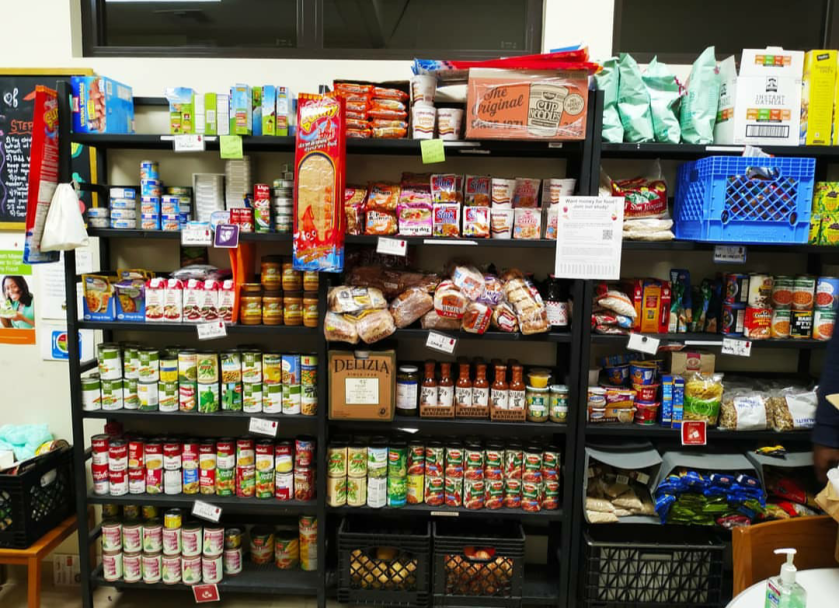
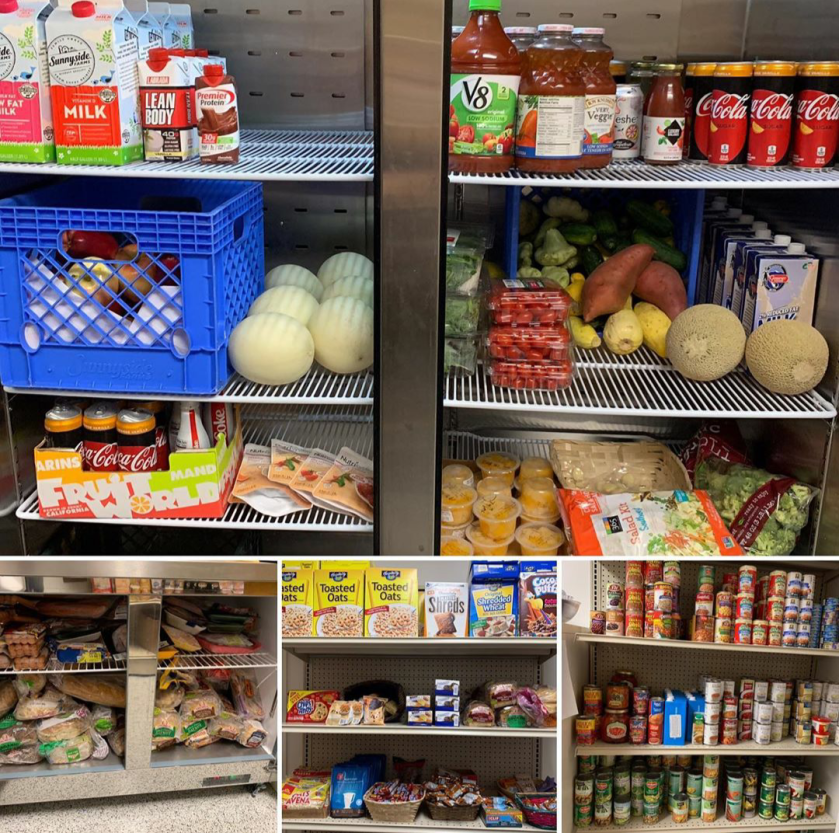
One of the resources on campus is Pioneers for H.O.P.E., they help students that are facing food insecurities, homeless and other mental hardships. They have two campus food pantries, one in Hayward campus and the other in the Concord campus, they work together with the Alameda County Community Food Bank and the Food Bank of Contra Costa and Solano. They also have donation drives for students in which they give toiletries, career clothing and coats and socks. They also help students in need of emergency assistance with an emergency intervention fund and find sources of temporary housing for students in need.

http://www.csueastbay.edu/hope/

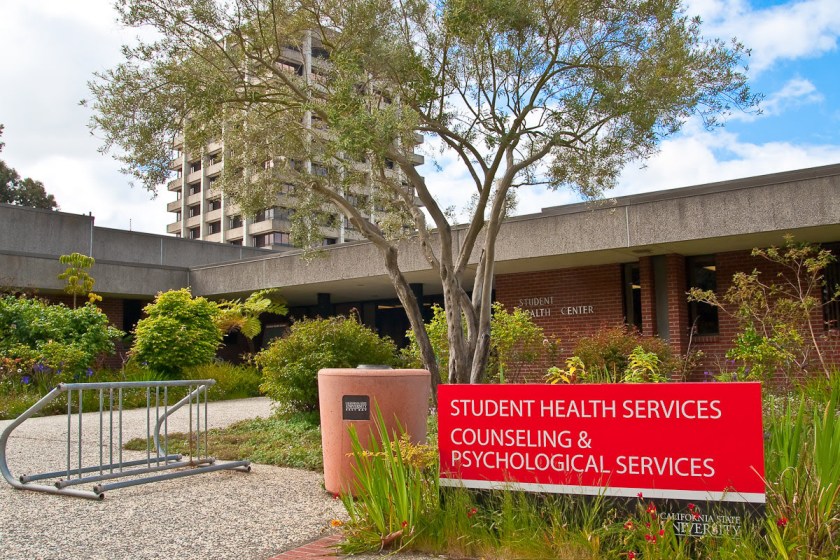
Another resource on campus are counseling services, these include, individual counseling, couples counseling, group counseling and crisis counseling. The individual counseling is a one on one meeting with a counselor who listens and talks about your concerns, challenges, and problems. They will help you by giving you a plan to address these issues and work with you and whatever you want to change. Their services are unlimited, they are open to talking about many issues such as depression, stress, family problems, self-esteem, loss, academic stress and more.

http://www.csueastbay.edu/shcs/counseling/coun.html

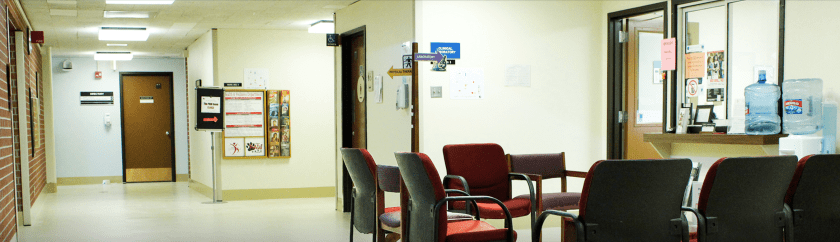
There are many other services available that help with health as well such as the Hayward and Concord campus medical services. Here they provide appointments and urgent care, health education, HIV testing, immunizations, massage therapy, radiology, and have a pharmacy and many more services.

http://www.csueastbay.edu/medical-services/hc-svcs.html

The Recreation and Wellness Center is an important addition to the list, this is where you can workout and feel better physically and emotionally. There are personal trainers that you can work with and different fitness programs. There is also a wellness center that  provide peer-to-peer education, outreach, and support on a variety of wellness issues.

http://www.csueastbay.edu/raw/

As presented, we can see that the CSUEB campus does a lot to help student in their well being.

Accessibility Around My Town

Everyday we go to many different places, and we’re so used to going to certain places we don’t really pay attention or notice how accesible or lack of accessibility there might be for others.

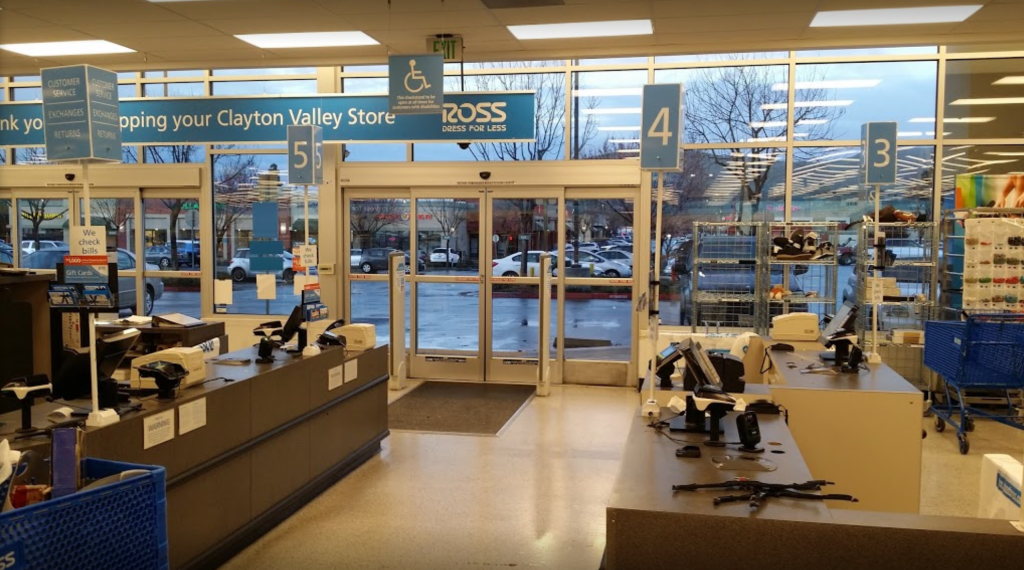
At the moment I work at Ross, I believe it is pretty accessible, but they could improve more. For instance, there are only two disabled parking spots, they are right in front of the door, but I think there should be more at least. From the parking lot there is a little ramp for easier access and the doors open automatically. The way some products are set, are too high up for some people to reach and they wouldn’t be accessible to everyone but there is always assistance from employees available. The biggest issue I have seen regarding accessibility are the restrooms, there are handicapped restrooms but to get inside you need to go through two doors, when I have been there if a person in a wheelchair needs to use the restroom it is almost impossible for them to get in without assistance of someone holding the doors open for them.

I live in apartments and I think the apartments aren’t super accessible, there are a lot of steps to get to the second or third floors which might be difficult for a person with any impairment, they would just be able to live on the first floor if it is available. Also, in the area to get to the pool and gym, there are three doors in total and one of them doesn’t have a ramp with would mean a person would have to go around to one of the other doors which isn’t far but still a hassle to get to. The laundry room is even worse, there are no rampa and the only way to get in would have to be going through one of the pool doors available and going across exiting and entering the laundry room. Around my house though, there are a lot of transportation availabilities, for instance there are buses at each side of the apartment building and they take you straight to the Bart station where there are other buses to go to nearby cities and the area around Concord too.

The library consists of only one floor, there are available parking spots for handicapped, as well as ramps to get into the library. The doors for the library open automatically as well. There are librarians to help in anything anyone needs right at the door. This library has technology available such as large screen monitors, large print keyboards, 3x handheld magnifiers, ZoomText, t-coil looping (assistive hearing device), and NVDA text-to-speech. They also have video magnifiers that magnify images, text and even 3-D objects up to 70 times their original size, they also have c-pen reader pens, these pens reads text aloud in English and Spanish, they can be used in library or checked out, they have rolling walkers as well available for anyone that need it.

This grocery store is right across from my house and I think it is accessible. There are a couple handicapped parking lots, and a ramp to be able to go inside and the doors open automatically as well. The isles are really wide and accessible, there are a lot of employees throughout the store if any one needs assistance with anything. There are self-scan areas as well as cashiers helping so anyone could choose one or the other.

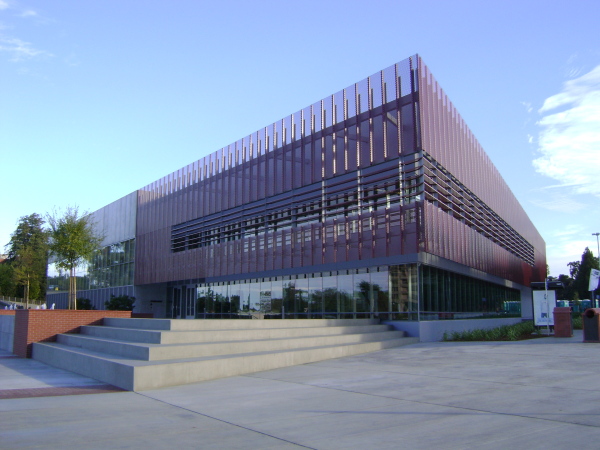
This is the schools’ Recreation and Wellnes Center,it’s not in my town but I do go here often and thought it would be a good place to choose. think this building is designed pretty well acording to acessibility. There is a ramp at the door, and the doors open automatically. To go to the second floor there is an elevator abailable and the walking areas are really spacecious. There are also students helping in every floor making sure everyone is doing good and if anyone needs assistance. There are rooms available too for anyone that just needs to be by themselves and do their own thing if they don’t like being where there is much noise or want to do other things that are not weights.

From now on, I’ll probably notice accessibility issues everywhere I go and notice whether my town is doing good or it needs to be better yet.